Blog: ‘Dark December’ has arrived. Here’s how to see the light and strengthen your behavioral health through winter
Dec 08 2025

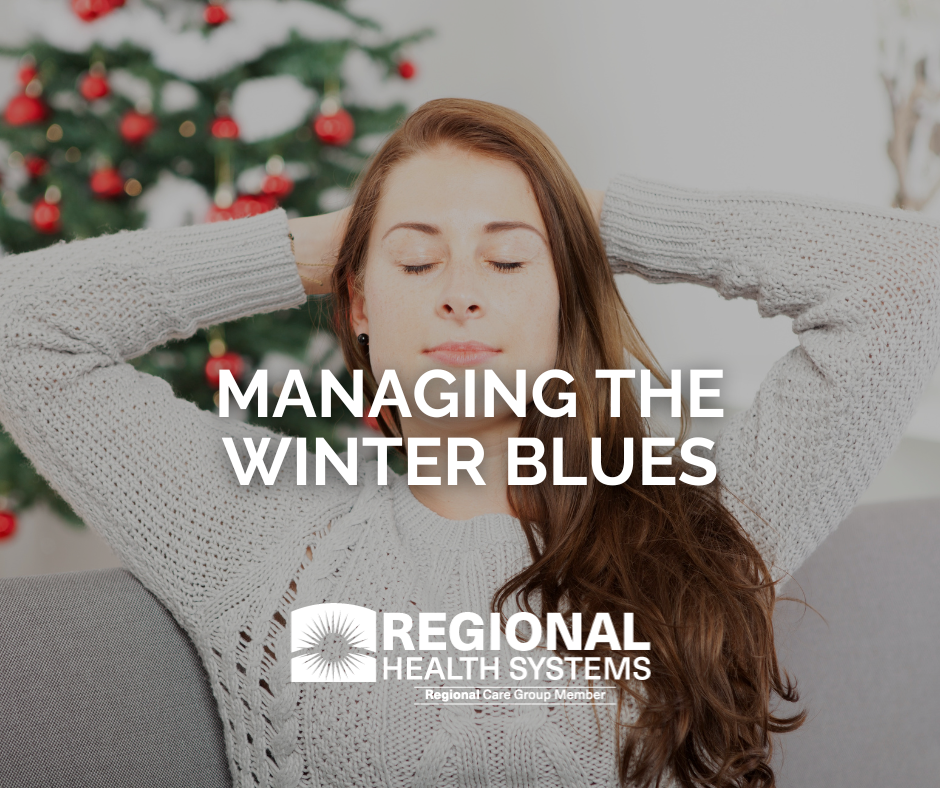
The holidays are supposed to be joyous — a time to gather with loved ones, re-connect, enjoy delicious meals and celebrate.
Doesn’t always work out that way, though, does it?
“Most of us are already busy with normal, day-to-day life — work, school, kids,” Regional Health Systems Family Psychiatric-Behavioral Health Nurse Practitioner Theresa Cieslinski said. “Then the holidays come and you’re changing everything around to add in family obligations. You may have to deal with family members that you don’t necessarily get along with. You may have unresolved conflicts.”
The holidays — which, by the way, occur at the coldest, darkest time of year — bring other stressors: Financial pressure mounts. Anxiety can arise over hosting the perfect holiday celebration. For people who have lost loved ones, introverts and those already struggling with mental health issues and substance abuse disorders, the holidays “can kind of quickly snowball and become overwhelming,” added Cieslinski, who assesses, diagnoses and treats children and young adults. She also works with older adults with developmental disabilities.

How to handle the holidays and still maintain your sanity?
“Preparation is key,” Cieslinski said. “Set boundaries for yourself and know that it’s okay to be happy. It’s okay to be sad. It’s okay to feel both. You need to acknowledge how you’re feeling, accept it and don’t judge yourself.”
The other part of acknowledging your feelings, she added, is understanding what emotional triggers you have. If you do not want to discuss certain topics, don’t, Cieslinksi said.
“Prepare for those difficult conversations,” she said. “Plan out some of your responses. It’s also okay to limit how much time you’re going to spend at these events. If you’re 30 minutes or an hour in and you’re overwhelmed and not going to enjoy the rest of your evening, it’s okay to thank the host for a lovely evening, tell them it was wonderful but that you have other obligations.”
And of course, politics always seem to lurk as a volatile conversational topic around the holidays. Cieslinski’s advice: don’t discuss it. Hosts can go as far as announcing at the start of a gathering that politics is an off-limit subject.
“I think spending 363 days a year on politics is enough, seriously,” Cieslinski said. “Take a political break for the two or three days when you’re going to be with family. You’re not going to change anybody’s mind, especially on Christmas.”
Whether it’s their politics or general personality differences, when you do encounter that person who rubs you the wrong way, it’s important to remember that their conversational jabs require a response to survive. Without that, the negative energy that fuels them dissolves. The best approach is to control your emotions in the moment or simply end the conversation calmly and walk away.
For those struggling with the loss of a loved one, Cieslinski suggests family members allow time to discuss the loved one and start new family traditions.

Beyond those nuggets of wisdom, Cieslinski said setting up a realistic spending plan for the holidays is a big help. So is self-care, which can take many forms: meditation, prayer, setting aside time to do the things that give you joy or that keep you in your routine. Get some exercise, which doesn’t necessarily mean heading to the gym five times a week. Carving out time for a walk during a lunch break can clear fatigue.
Other suggestions include connecting with support groups, volunteering, joining a club. “You don’t have to go it alone,” she said.
“Remember what the season is about and focus on what truly matters,” Cieslinski said.
If sadness, anxiety, sleeplessness, irritability, fatigue and similar feelings persist weeks after the holiday season, it’s time to consult a mental health professional. Regional Health Systems’ Crisis C.A.R.E. Unit is open 24 hours a day, seven days a week. A behavioral health provider is always available to speak with a caller. The number is 219-769-4005.
If the situation is more urgent, a person can go directly to the Emergency Mental Health Services Center at 8555 Taft St., Merrillville.
“What’s wonderful about Regional Health Systems is that we do have so many aspects of care,” Cieslinski said. “If you just need to come in and talk to somebody, we have psychotherapists available. We also have medical providers whenever you need that. You can find help here.”